
In the Air Tonight
Why Gold and Silver Must Reprice Faster Than Most Investors Expect


Share this if you have been waiting for this moment all your life…
Do you remember?
A bare, brooding track that simmers for over three minutes with nothing but a drum machine, a few moody keyboard chords, and a voice soaked in quiet rage.
Then… BOOM
Out of nowhere… that legendary gated-reverb drum fill explodes out of the speakers, the 1980s equivalent of being struck by lightning. One moment you’re floating in tension; the next, you’re slammed by something you felt coming… yet somehow didn’t see.
That song is Phil Collins’ “In the Air Tonight.”
Collins wrote it in the wreckage of his first marriage… an emotional purge of anger, heartbreak, and despair. Most of the lyrics were improvised on the spot; although even he wasn’t entirely sure what they meant.
The iconic drum fill that became the defining signature of the 1980s, was created by pure accident. Producer Hugh Padgham had left the studio talkback compression on, and Collins’ said his kit suddenly exploded like “barking seals”.

And in one unforgettable live TV performance, Collins set a paint can on the piano as a very public, very pointed jab at the affair that helped torpedo his marriage and inspire this classic hit.
The song peaked at only No. 19 on the Billboard Hot 100 yet became Collins’ most iconic solo moment. That drum break was sampled by Eminem in “Stan,” recreated by Mike Tyson in The Hangover movie, and etched into pop-culture DNA. Years later, Collins’ ex-wife Andrea Bertorelli accused him of profiting from a one-sided narrative of their divorce.
His own response? Classic Collins:
“Nobody knows what the song is about, and I kind of like the mystery.”
Right now, something is in the air tonight in the precious metals markets. The tension is building the same slow, minimalist way the song does.
Why the Metals Revaluation Must Be Fast
Here’s the implication most investors still haven’t considered.
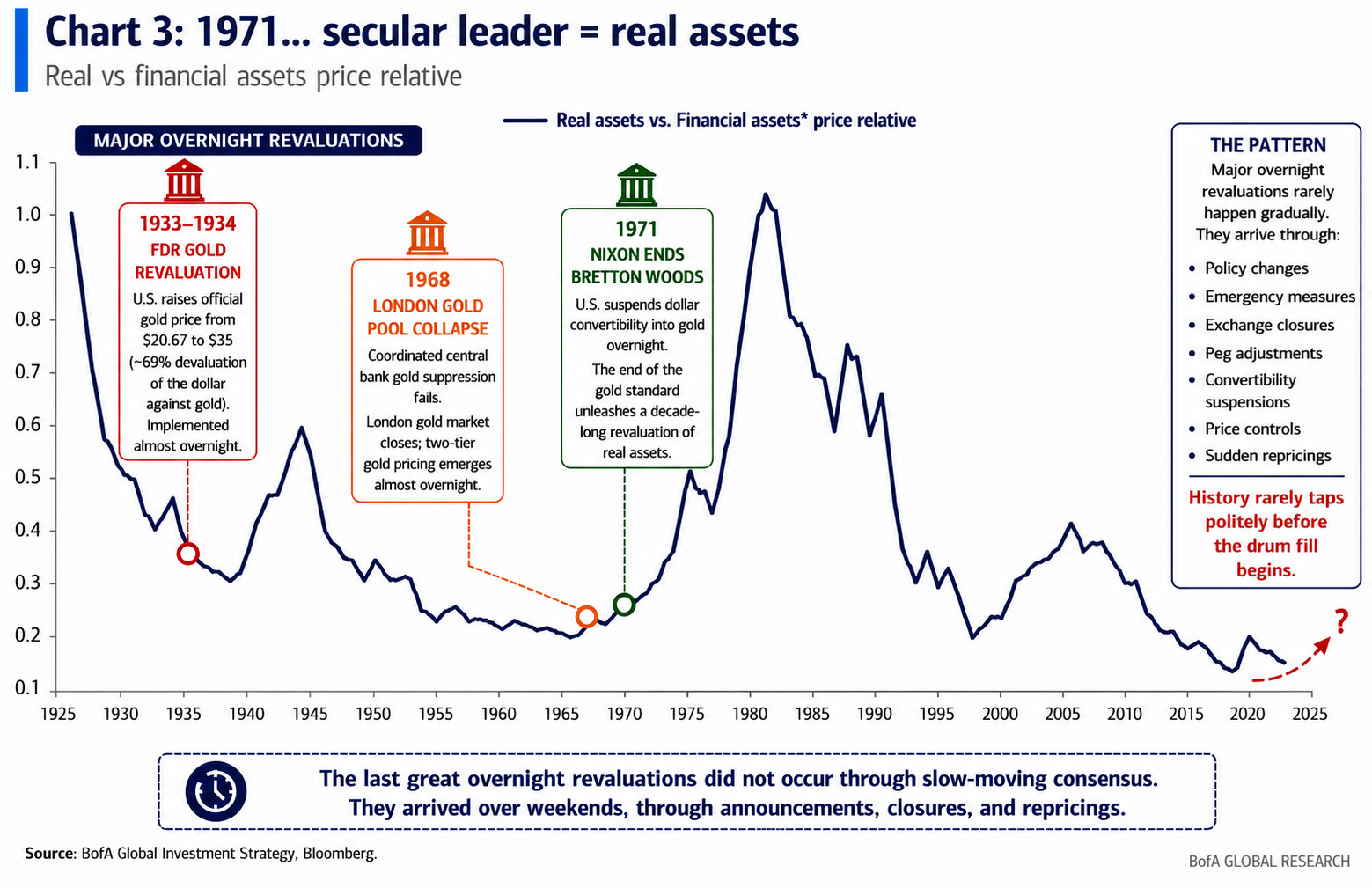
If true power ultimately rests on the control of money, energy, and strategic resources, then governments have every incentive to maintain that control during periods of monetary transition.
And that is precisely why any future metals revaluation would likely need to happen quickly overnight.
A slow, methodical, multi-year melt-up in physical metals creates problems for the system.
It allows gold and silver to steadily disperse into private hands while prices are still perceived as “cheap.” It gives the public time to react. Time to accumulate. Time to front-run the repricing of strategic collateral assets.
That becomes especially dangerous once silver is no longer viewed merely as a precious metal, but as a critical industrial input tied to defense systems, AI infrastructure, robotics, electrification, and energy security.
A gradual bull market creates broad public participation.
An overnight repricing creates confusion, scarcity, and immediate governmental/institutional advantage.
The Signals Are Accumulating
Silver being added to the U.S. Critical Minerals List in November 2025.
A January 2026 White House directive evaluating price floors and trade protections.
U.S.-Mexico discussions around “border-adjusted price floors”.
Coordinated discussions with Japan and the EU on stockpiling and pricing mechanisms.
And ongoing concern around COMEX physical tightness and declining deliverable inventories.
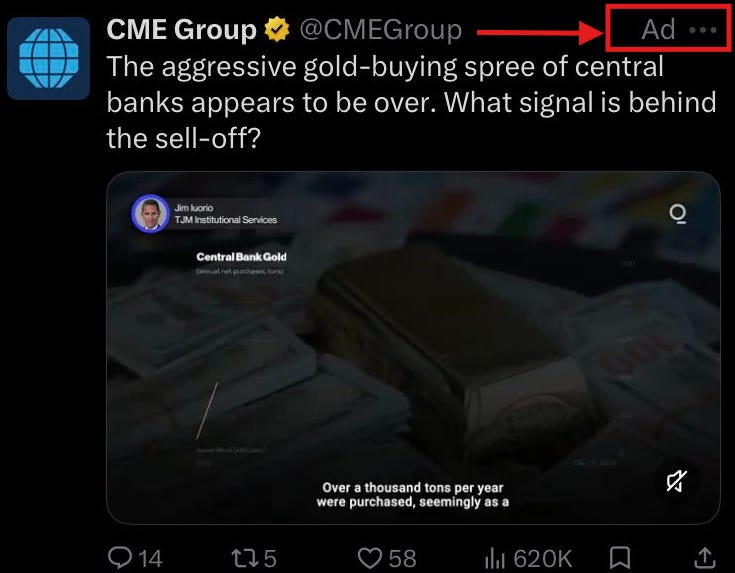
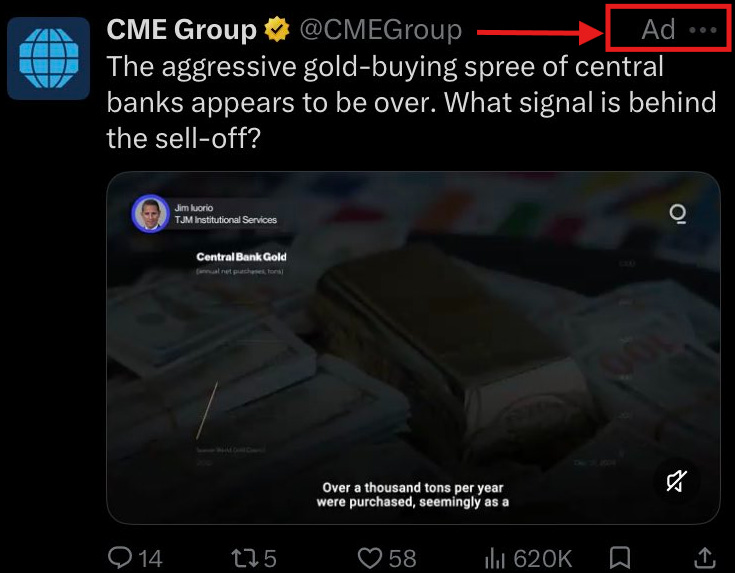
CME Group X Advertising that Central Bank Gold buying is “over”.
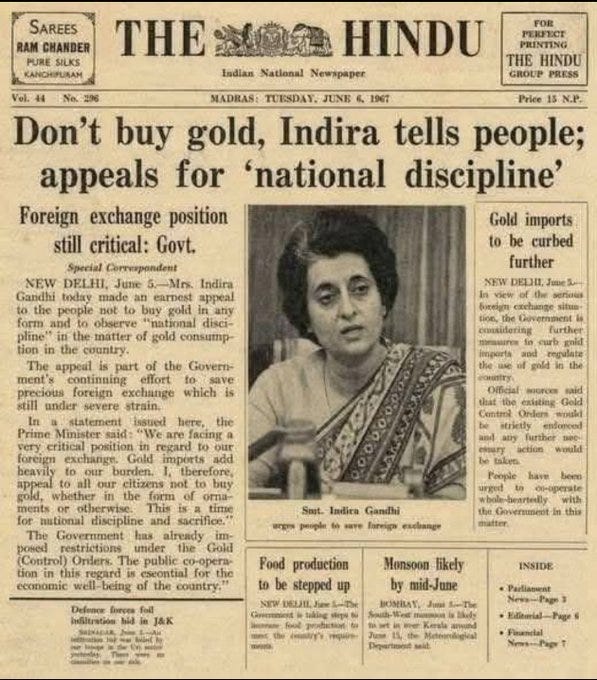
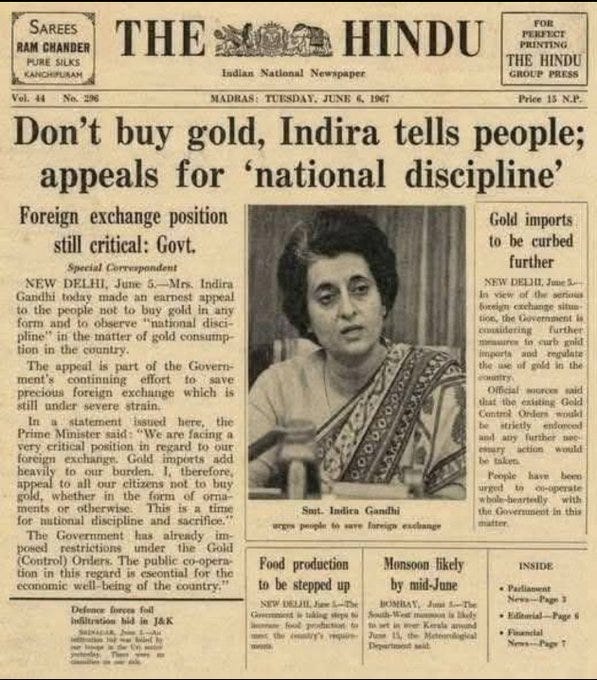
India’s Prime Minister Narendra Modi recently urged citizens to delay gold purchases, just like they did in 1967. Is this reverse psychology or are they oblivious to how this played out last time they moved aggressively against private gold ownership during the period of the 1968 Gold Control Act.
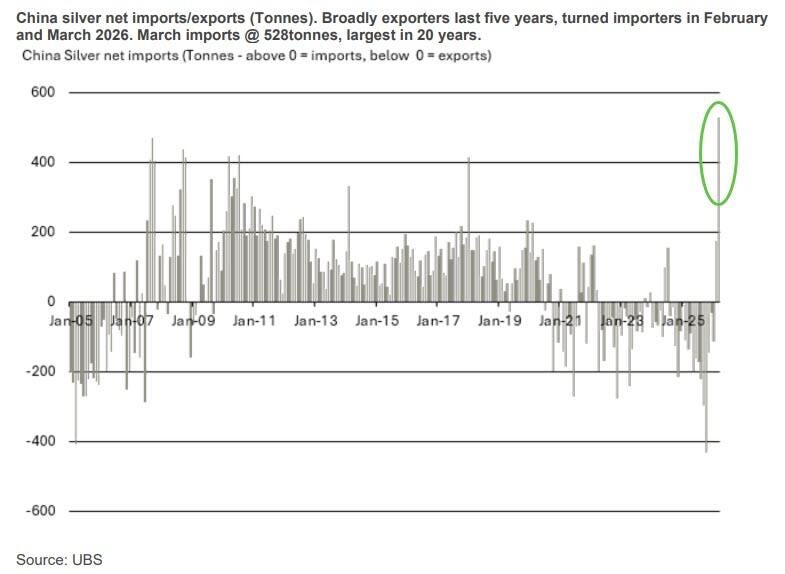
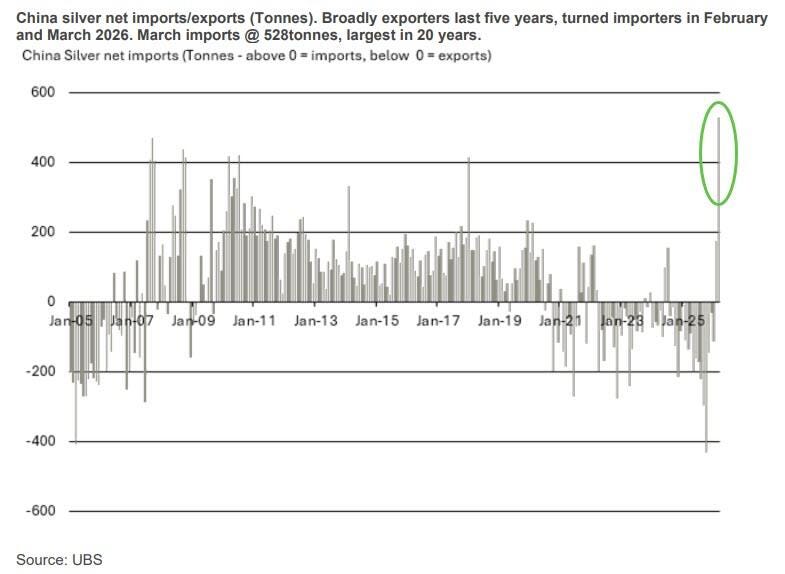
China silver imports unexpectedly go through the roof: Beijing imported 528 tonnes of silver in March, the most on record. Perhaps they feel it in the air too?
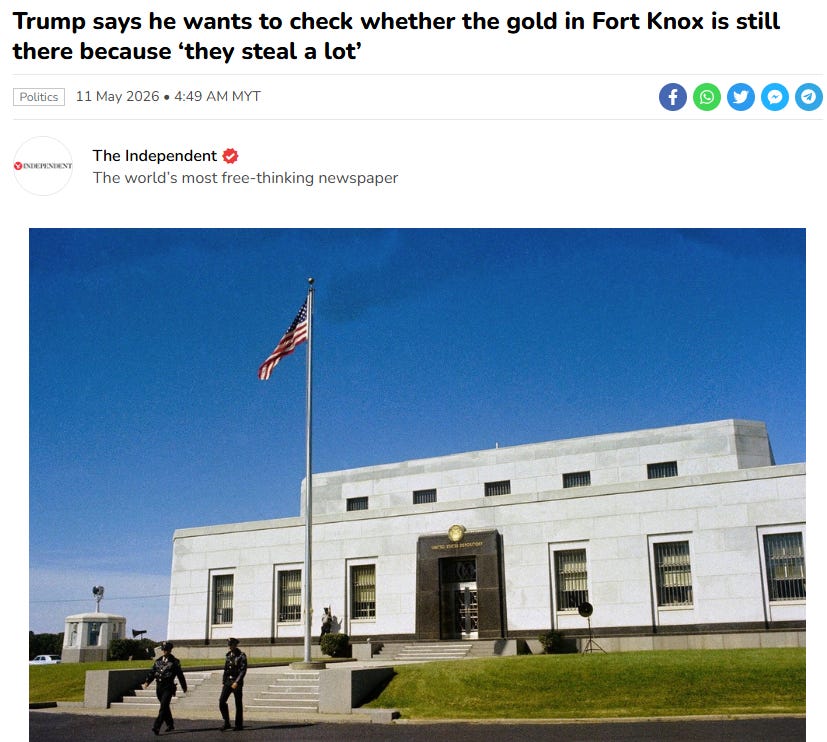
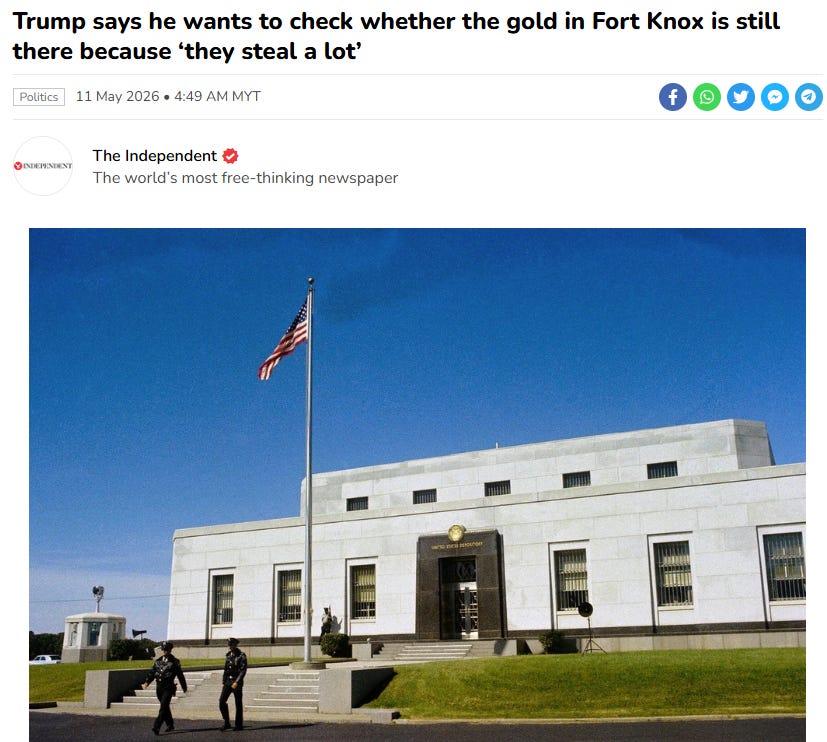
President Trump says he wants to check whether the gold in Fort Knox is still there…
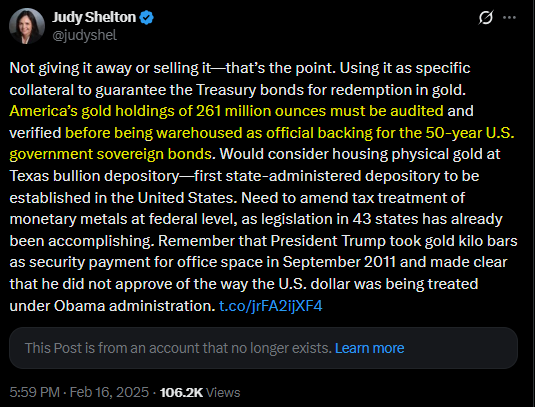
Judy Shelton a potential next Fed chair nominee has called on numerous occasions for an audit of Fort Knox when she tweeted..
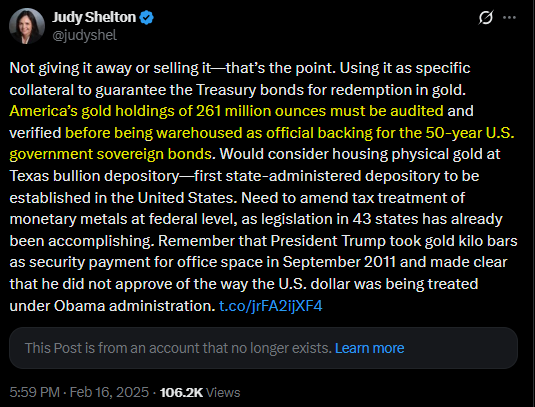
“America’s Gold holdings of 261 million ounces must be audited… before being warehoused as official back for the 50-year U.S. government sovereign bonds.”
Grey Rabbit’s Accelerated Bull Market Thesis
Since gold has less paper leverage built up, silver is the timing catalyst we’re focusing on most closely.
What makes silver’s current setup exceptionally dangerous is the structural fragility of the leverage buried beneath the paper market.
During the historic 1971–1980 bull market, silver rose roughly 31× over nine years while paper leverage in the market was estimated between 20:1 and 50:1.
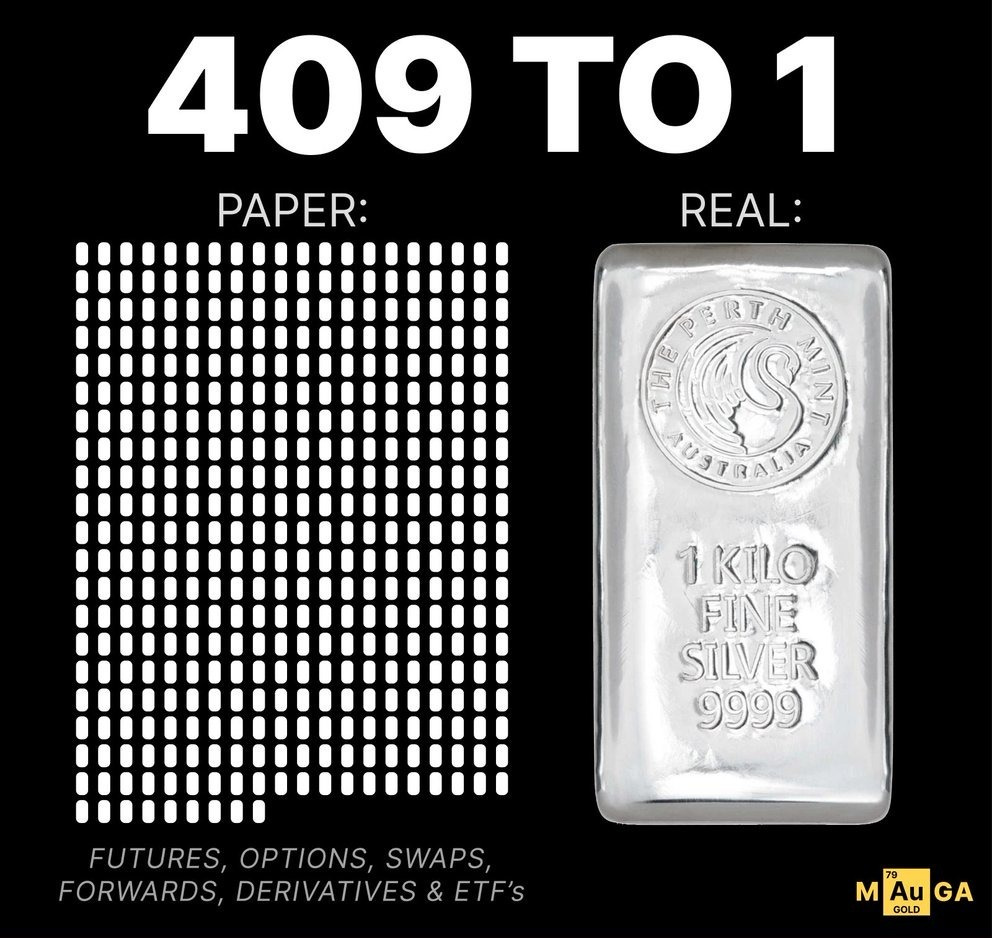
Today, estimates for paper-to-physical leverage across COMEX, LBMA, and global OTC markets reach as high as 400:1.
That is an entirely different level of systemic pressure.
If even a fraction of paper claims were forced into physical settlement, the repricing mechanism would likely become disorderly rather than gradual.
This is why I believe the next silver bull market may unfold in compressed time or simply overnight.
The 1970s move took nearly a decade.
The next major repricing could occur in a fraction of that time once the market loses confidence in available physical supply.
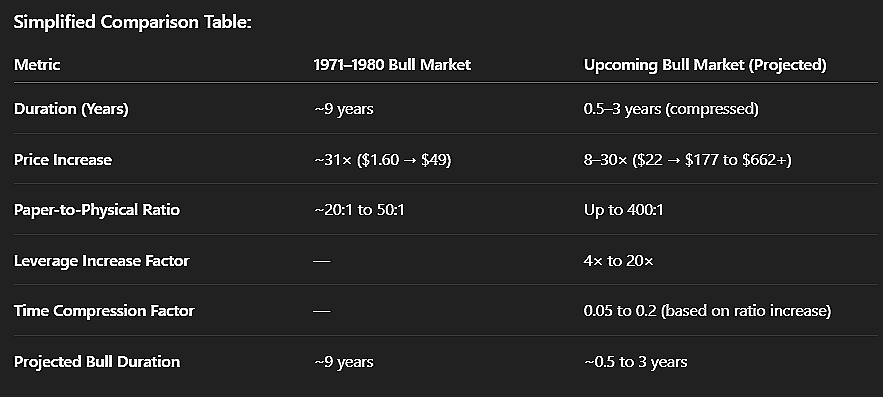
This accelerated bull-market framework is not new.
I originally published this thesis in July 2025, when silver was still trading below the historic $50 breakout level and much of the broader market dismissed the possibility of a compressed monetary repricing cycle.
Since then, silver has already broken decisively above $50, validating the first phase of the thesis and reinforcing the idea that this cycle may unfold far faster than most investors expect.
(You can read the original July 2025 article here.)
The Drum Fill
For decades, America’s official gold price has remained largely symbolic relative to the scale of sovereign debt and monetary expansion. But during periods of fiscal stress, inflationary pressure, or monetary transition, the ability to suddenly mark gold to market becomes politically significant.
Under the Gold Reserve Act of 1934, the President or U.S. Treasury Secretary retains the legal authority to revalue the Treasury’s gold holdings against the dollar.
That matters more than most people realize.
A sharp upward revaluation of gold would instantly alter the perceived strength of sovereign balance sheets while reinsuring the trust of the world’s reserve monetary system.
Calls to audit Fort Knox have re-entered mainstream political discussion, including recent remarks from Donald Trump.
Meanwhile, economist Judy Shelton has repeatedly advocated issuing a 50-year gold-convertible Treasury bond on July 4, 2026 — the 250th anniversary of the Declaration of Independence — as part of a broader return toward sound-money discipline.
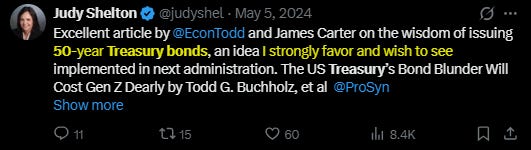
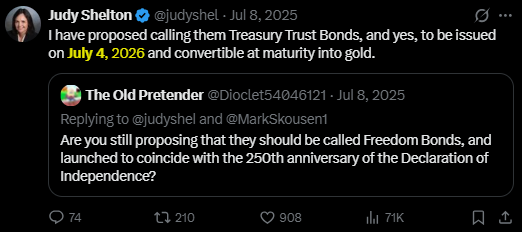
As Shelton herself put it:
“A very smart thing for America’s economy would be for the Treasury to issue a 50-year, gold convertible security...”
She has also argued that revaluing Treasury gold holdings to market would materially improve the optics of the U.S. fiscal position while restoring confidence in long-term monetary credibility.
None of this guarantees an overnight revaluation. However, it does suggest the conversation is moving closer to reality than most investors realize.
And historically, the largest overnight revaluations tend to occur precisely when the public still believes nothing is about to change.
Final Thoughts from the Rabbit Hole
Well, I've been waiting for this moment for all my life, oh lord.
July 4th is approaching fast, and something tells me it’s going to be absolutely lit, as the kids say… but I’m not talking about fireworks or UFC fights.
I’m talking about the possibility of an overnight metals revaluation tied to a new generation of gold-linked Treasury instruments.
Judy Shelton’s repeated push for gold-backed or gold-linked Treasury bonds suggests these back-room conversations may be further along than most investors realize.
And if such a transition is coming, it would make sense for the revaluation to happen fast, clean, and decisive.
A long, drawn-out run on physical metals would do the one thing they cannot allow: spread critical metal like silver into the hands of the masses, one ounce at a time, while the price is still “reasonable.”
An overnight repricing changes the psychology instantly.
One day, metals are viewed as relics.
The next, they are recognized as strategic collateral.
And by the time most people understand what just happened, the sun rises, and the biggest move in metals is already over.
If gold-linked bonds truly become part of America’s next financial architecture, then a substantial repricing of gold would likely need to occur before those instruments ever reach the market.
If July 4th, 2026, is the deadline, that means the audit of Fort Knox and revaluation will have to happen beforehand.
The window to position yourself ahead of this transition is far smaller than most people think.
The revaluation isn’t here yet…
but I can feel it coming in the air tonight.
Stay Vigilant,
— Grey Rabbit
They may need every moment until 7-4 to audit. If the gold is there, it is purportedly of varying purity and not in standard bars. Do you trust these people and process? There's been so much theater in dotgov... maybe I'm too cynical. Shrödingers vault?
Also, I question the notion that only dotgov and its bank buddies hoarding all the gold earns it much public integrity. The idea of gold or silver as money has more traction when it's actually distributed among the people. If it's all vaulted up, they might as well base their new round of debt on "vaulted unicorn farts".
Btw, my musical brain is quite impressionable, thanks to you I now have that song rolling in my mind ;-)
👍👍👌