
Bye, Bye, Miss American Pie
The Erosion of the American Dream, Measured in Silver and Debt

📣 Enjoying this?
Tap below to share a piece of the Pie with a friend who thinks the American Dream is dead:
A long, long time ago, I can still remember how that music used to make me smile….
Morning dew on the windshield, burned CDs spinning in the car stereo, the drive to high school filled with possibility…
Back then, the naivety of youth was still mine… the American Dream humming quietly in the background of my imagination.
But what happened to Miss American Pie? Is the CD scratched… or has the song itself changed?
Something feels different now. Credit card delinquencies are climbing. Real wages have been stagnant for years. Personal savings sit at historic lows. Cars and homes have become burdens instead of opportunities. The Family unit disintegrating, as the engine of the American economy runs on fumes.
Is the American dream dead?
The Day the Music Died
1971 was a year of cultural milestones, and malicious economic turning points.
Don McLean released his iconic single “American Pie”, while President Nixon famously closed the gold window, ending the U.S. dollar’s direct convertibility to gold and ushering in the modern fiat era.
Small earnings suddenly carried a very different weight.
Enter the Paperboy, once a symbol of youthful independence, and the job of 13-year-old Don McLean.
In 1971, a typical paperboy earned between $60 and $70 per month. That was a respectable income for a teenager…. a first taste of financial freedom, a sample of the American dream.
Adjusted for inflation, that’s $480–$560 in 2025 dollars. On paper, that looks fine.
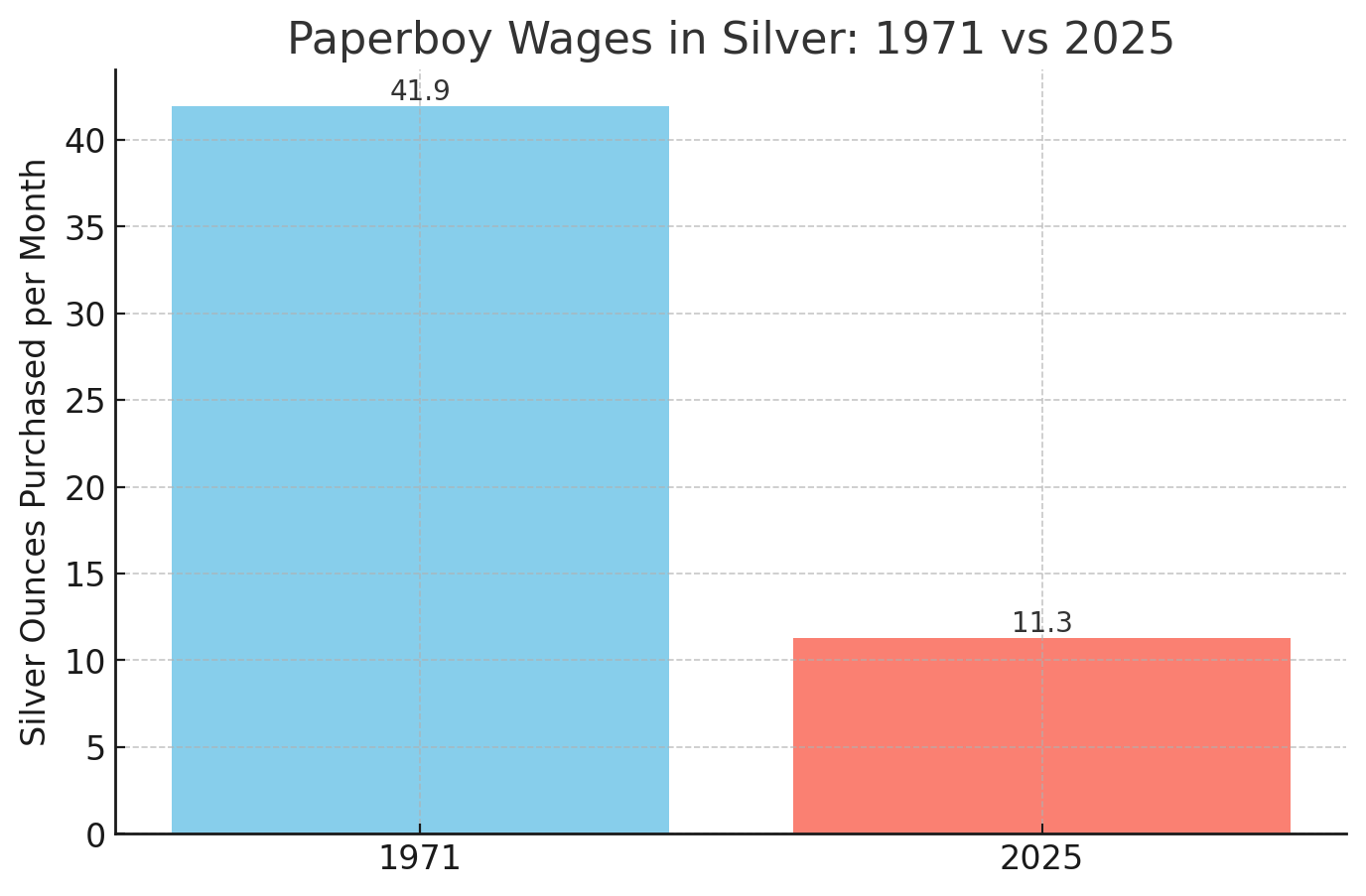
But measured in silver, the truth is striking. Silver then cost about $1.30–$1.80 an ounce, so a paperboy’s wages bought 38–46 ounces each month. Today, those same wages buy just 10–12 ounces.
When you dig deeper, even the US Federal minimum wage tells a similar story.
In 1971, the federal minimum wage was $1.60 per hour enough to buy 6½ silver quarters (90% silver).
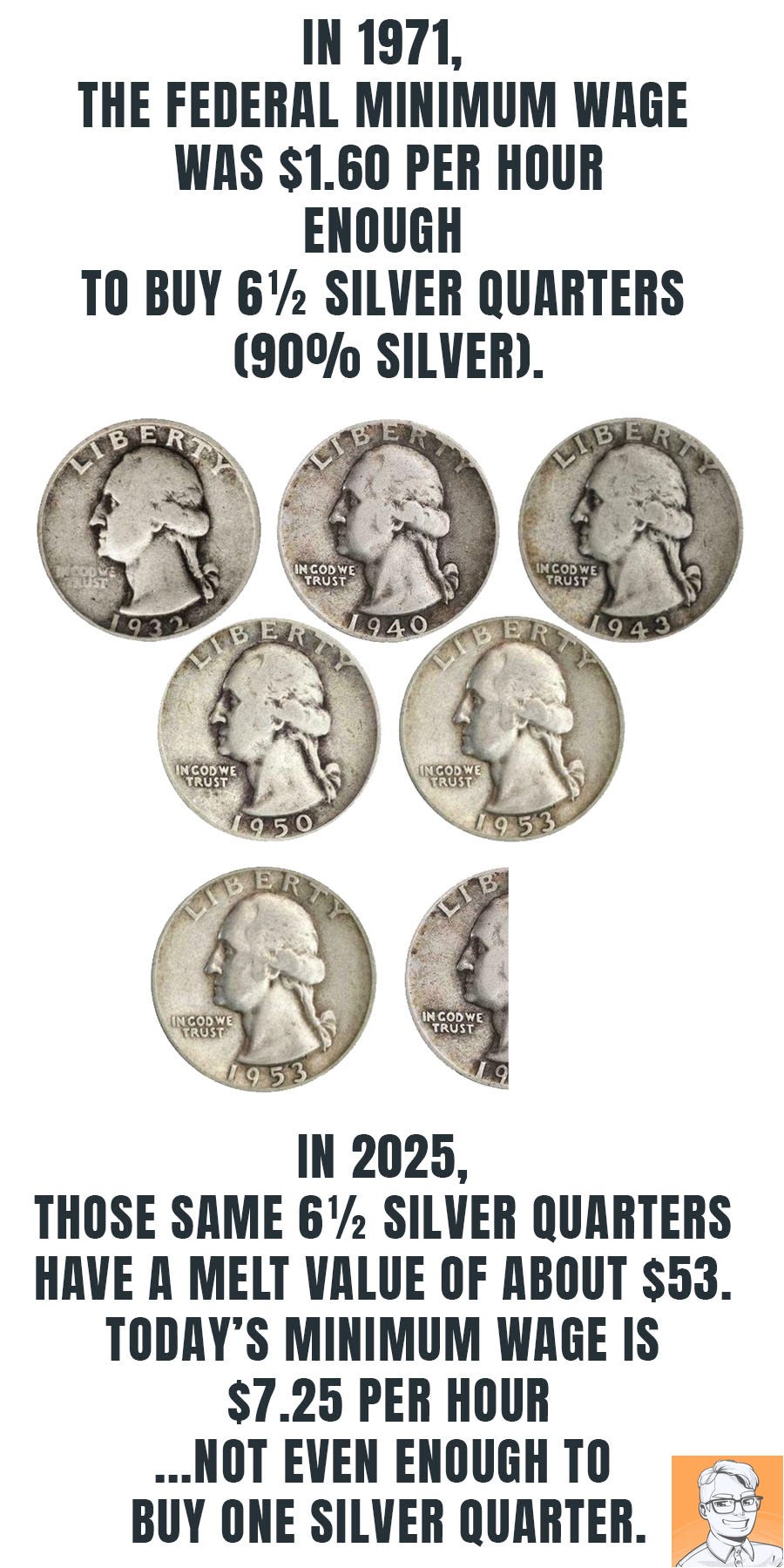
In 2025, those same 6½ silver quarters have a melt value of about $53. Today’s minimum wage is $7.25 per hour... not even enough to buy one silver quarter (Current melt value $8.57. as of October 3rd, 2025).
In simpler terms, to match 1971’s minimum wage’s purchasing power… today’s minimum wage should be closer to $53 per hour.
Back then, even small change held possibility. Today, paper wages are promises that leak value with every passing year.
Delivering the news once carried weight. Now, even adjusted wages can’t deliver the same dream.
Chevy to Levee
“Bye, bye Miss American Pie, drove my Chevy to the levee”….
Once the paperboy had saved up, his next slice of the American Dream was a truck.
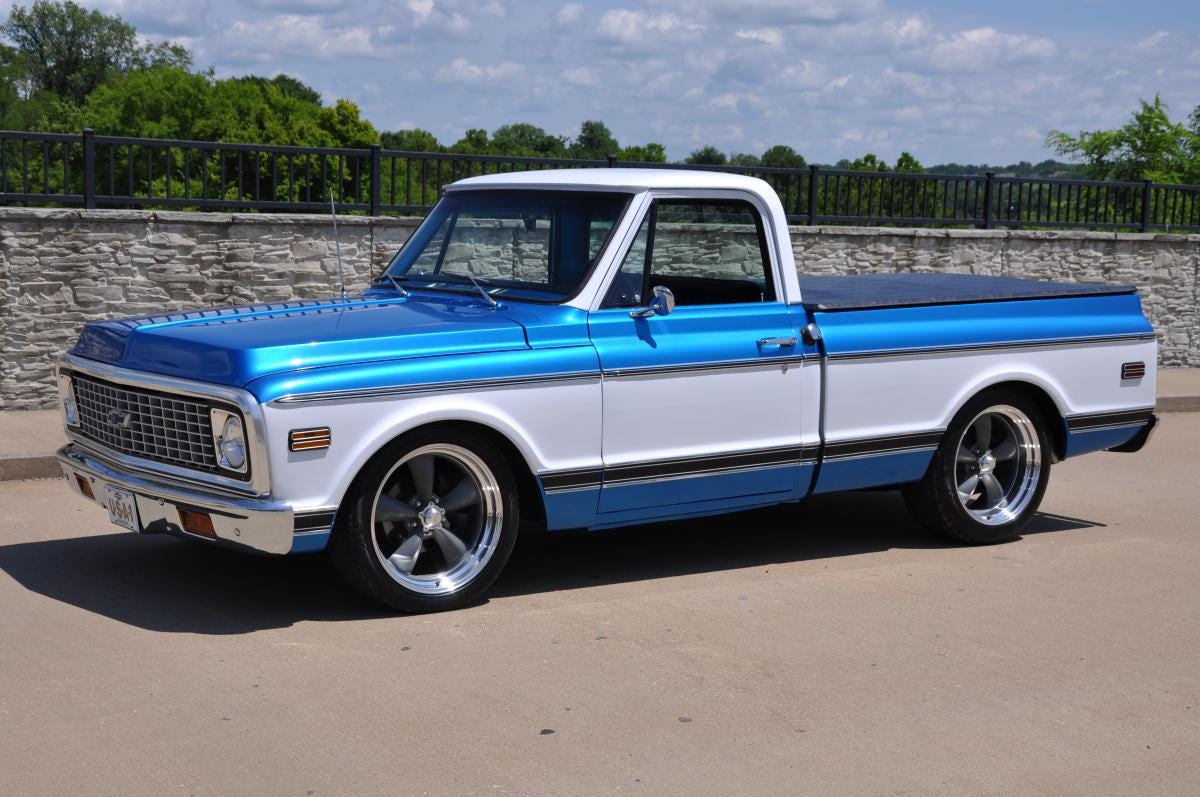
1971 Chevrolet C-10
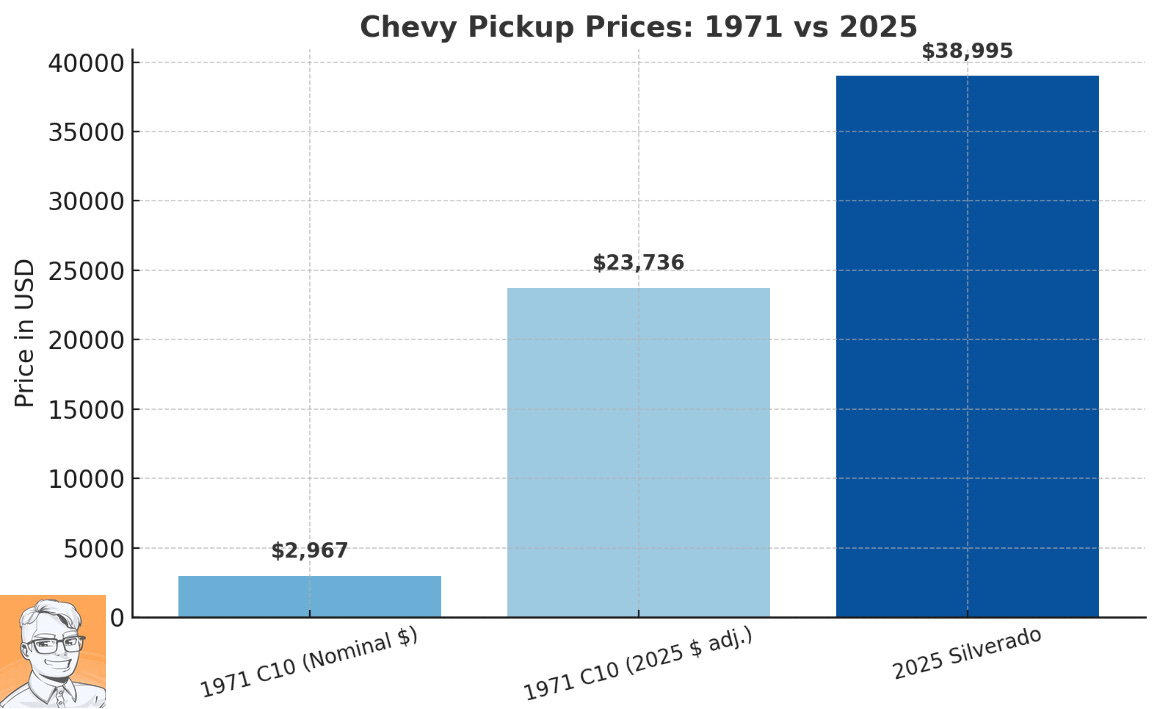
Back then, you could drive a brand-new Chevy C-10 pickup off the lot for just under $3,000. Adjusted for inflation, that’s about $23,700 in today’s dollars.
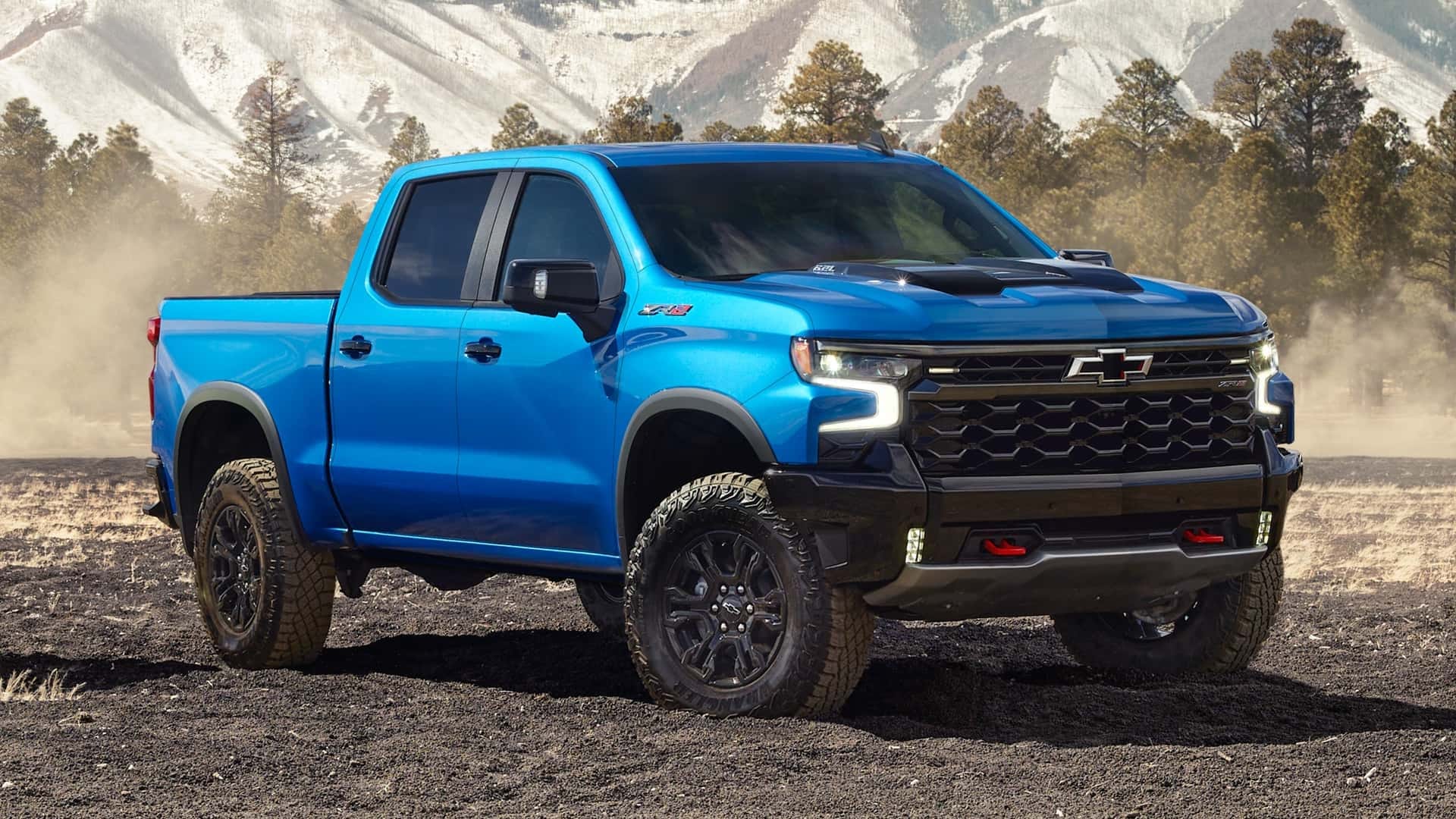
2025 Chevrolet Silverado
Today, the cheapest Silverado starts around $39,000—roughly 64% more than inflation alone would predict. In other words, the dream didn’t just get more expensive because the dollar lost value; it got pricier in real terms.
And now the American truck that once represented independence has become a symbol of debt:
Average monthly payment: $745
1 in 5 buyers pay $1,000+ per month
Loan terms stretched 72–84 months
Repossessions up 43% between 2022–2024
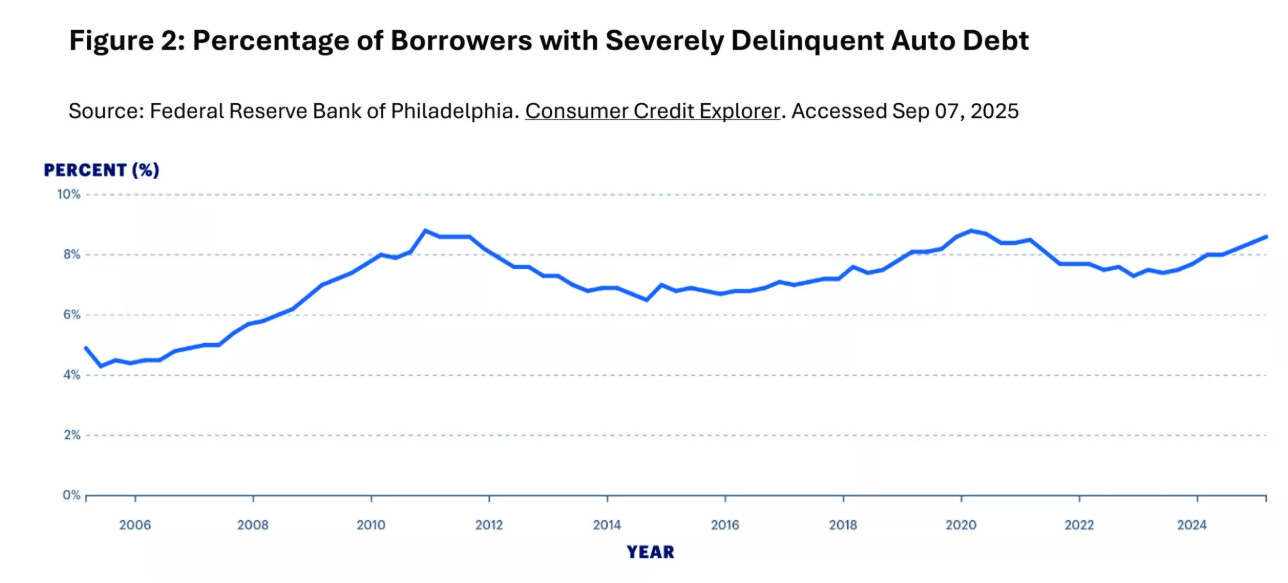
Delinquencies are rising even among buyers with solid credit scores.
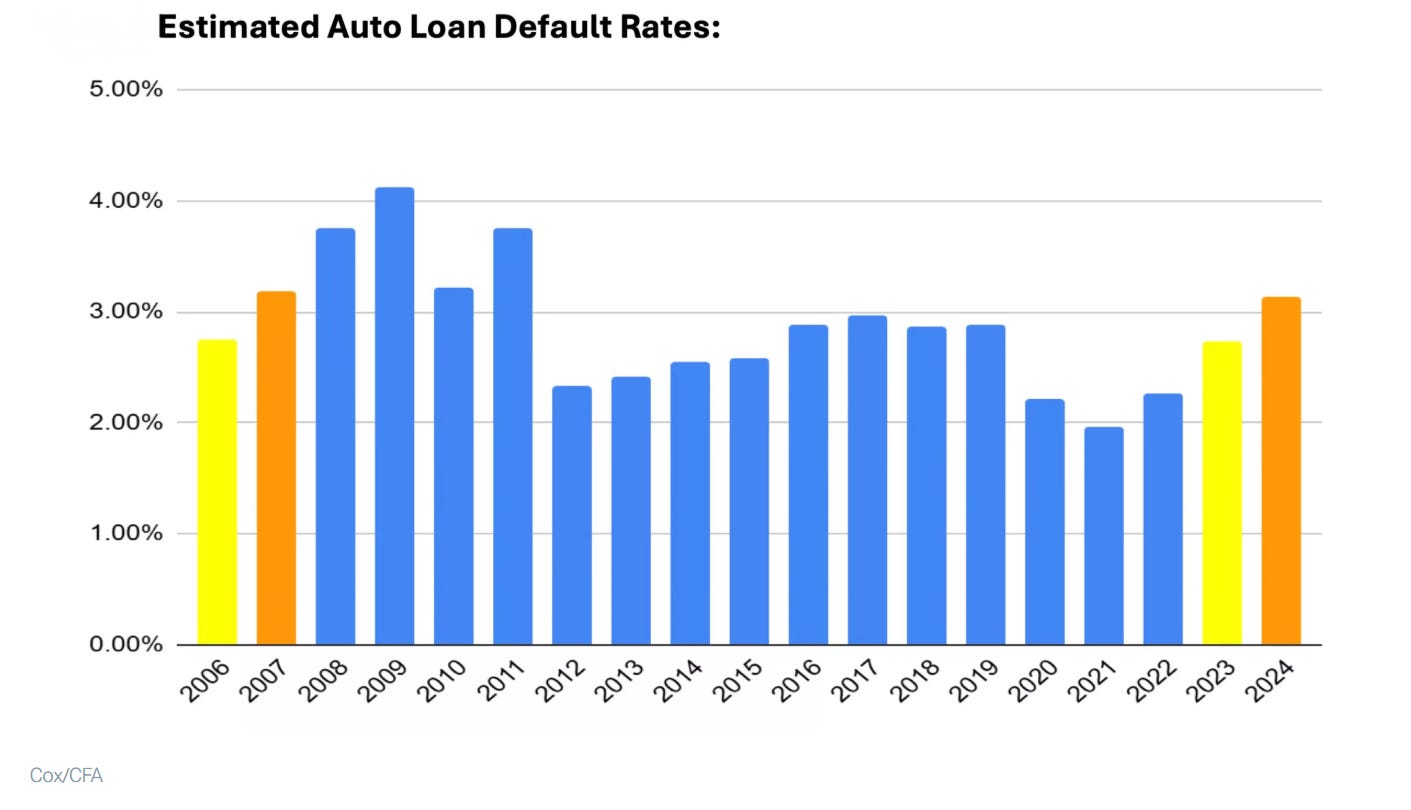
Younger generations are defaulting in record numbers.
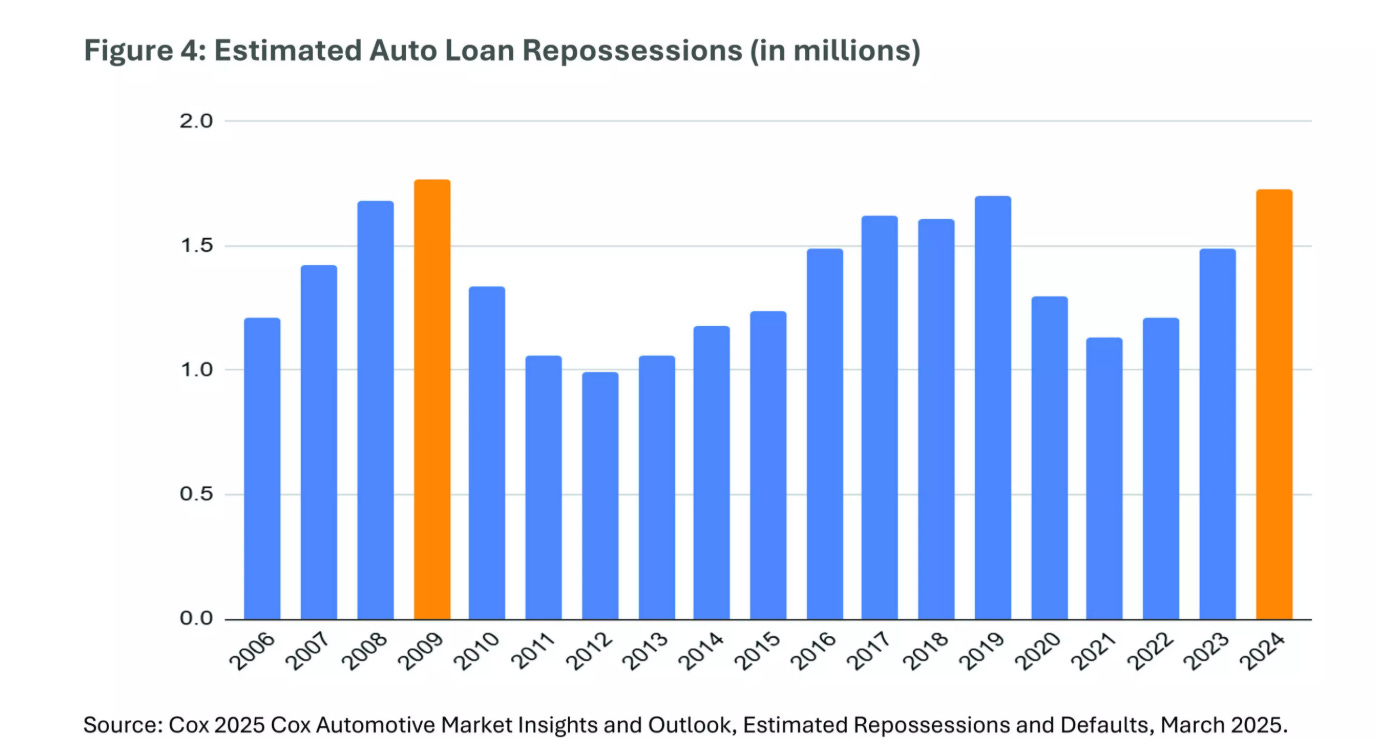
Repossessions jumped 43% between 2022 and 2024.
The car that once meant freedom now often comes with bad news on the doorstep: a set of keys chained to debt.
So ask yourself: when even the family truck turns into a financial burden, is the American Dream still running… or has the engine already stalled?
A Generation Lost in Space…
For decades, owning a home symbolized the ultimate slice of the American Dream. Today, that music has faded.
Millennials and Gen Z are orbiting a financial universe they can’t touch. Student loans, soaring rent, and stagnant wages have pushed homeownership further out of reach.
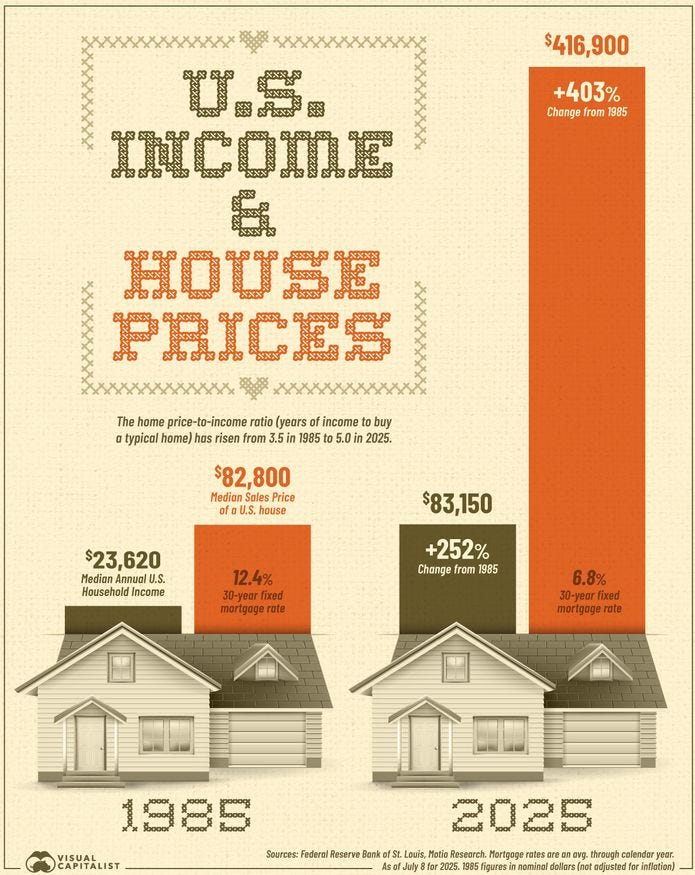
Housing affordability has collapsed:
The average first-time homebuyer’s age is now 38, up from 30 in 1985.
The home price-to-income ratio has risen from 3.5 in 1985 to 5.0 in 2025.
Increasing numbers live with family, roommates… or in cars, vans, and even storage units.
Google searches for “Can you live in a storage unit?” have been rising steadily since 2016.
“How to live in a car” searches are at all time high & trending up sharply since 2008.

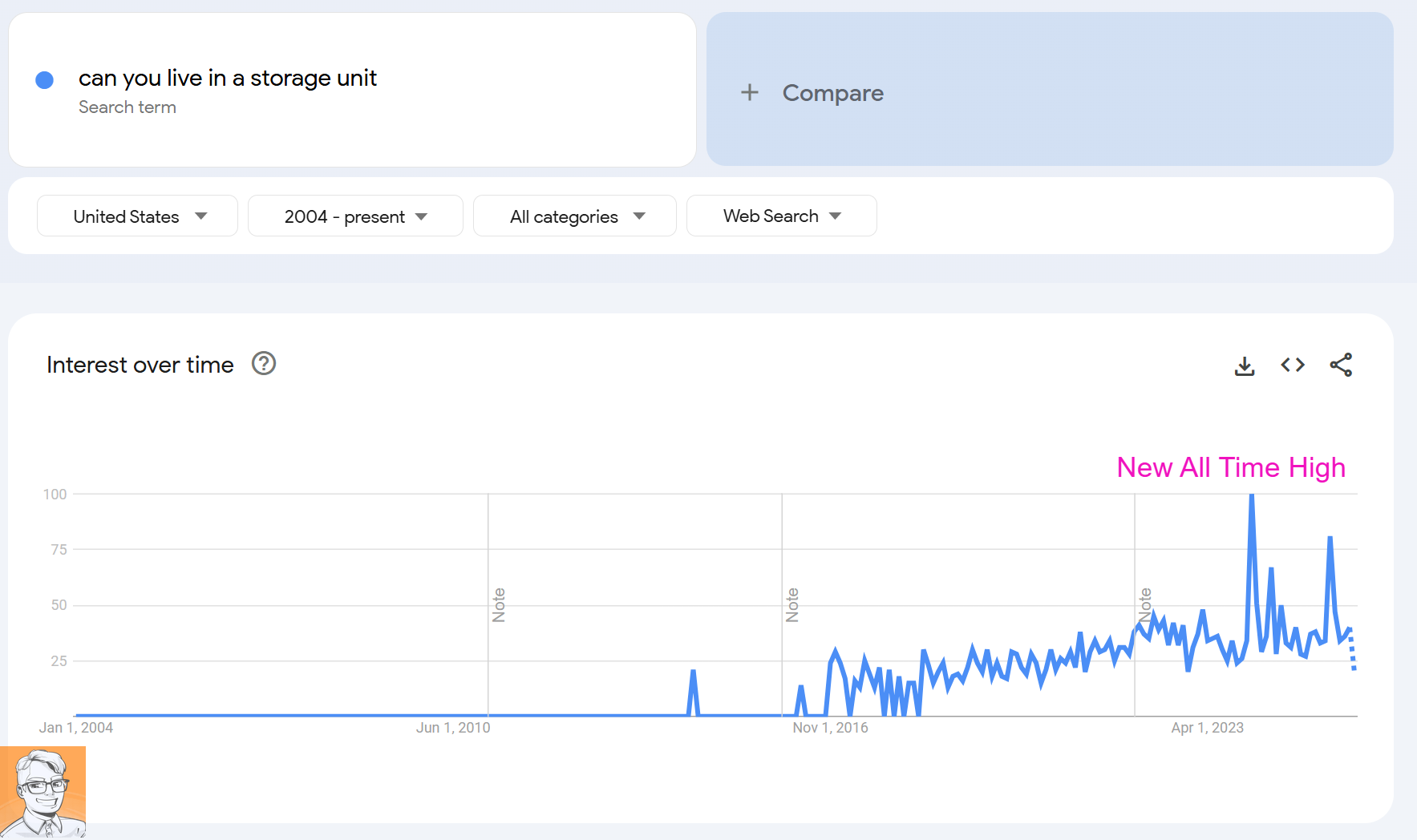
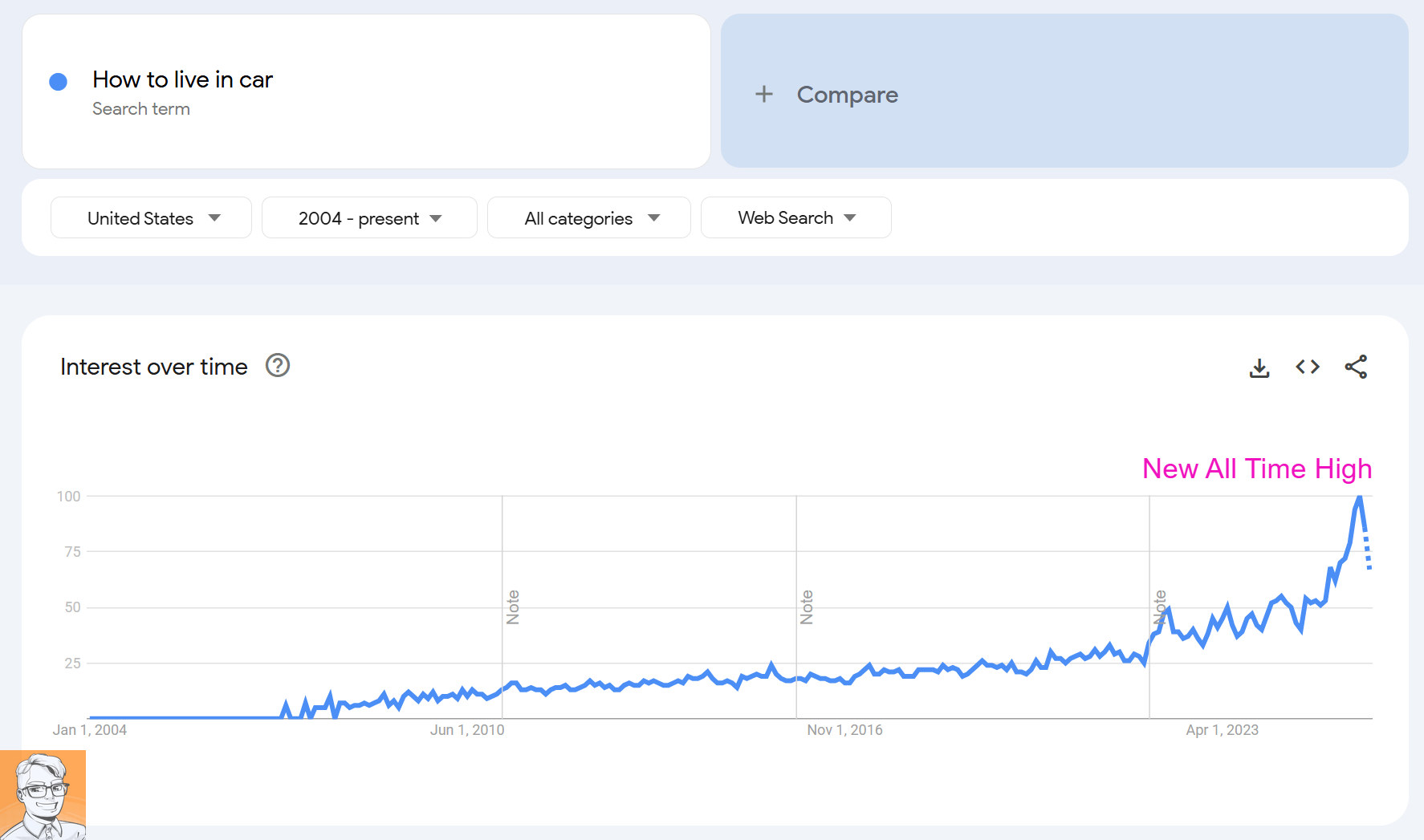
These aren’t just search trends… they’re a reflection of a generation adrift. Fewer first-time buyers, higher debt-to-income ratios, and households increasingly “lost in space” financially.
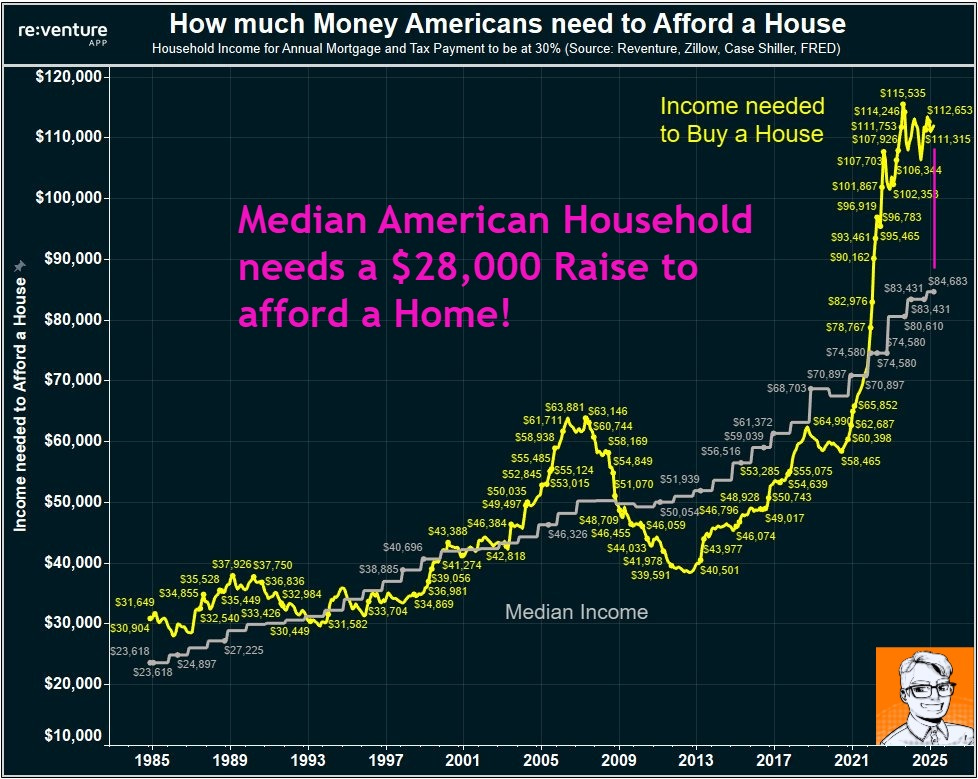
This lack of affordability is fueling record housing pessimism and crushing buyer demand.
Existing sales are 25% below pre-pandemic norms.
Mortgage applications to purchase are down 34% from pre-pandemic norms.
71% of homebuyers think it’s a bad time to buy according to Fannie Mae.
82% of homebuyers think it’s a bad time to buy according to University of Michigan.
The American Dream is no longer a birthright… it’s a luxury few can afford. Wages lag behind costs, and even modest living has become a struggle. The dream of owning a home on Main Street, with a brand-new Chevy in the driveway, is increasingly just that: a dream.
Satan Laughing with Delight
The strength of a nation rests on the strength of its families. This unit is the foundation… the microcosm and the building block of every country. When families crumble, empires weaken.
Blood runs thick, and at the end of the day, the only enduring force that drives men to innovate, strive, and even sacrifice for their country is the love and will to protect and preserve their families.
Yet, monetary policy, fiat currency inflation, and debt-fueled consumerism have actively deteriorated this unit. Artificially created bubbles in assets like stocks and real estate have left ordinary Americans behind, priced out of the very stability they need to build a life. When the fundamental costs of living—a home and a car—are inflated by easy money, the financial security required to start a family becomes a distant dream for millions.
The declining US birth rate is the ultimate testament to this failing support system.
US Birthrate per 1000 people - 1950-2025 Source: Macrotrends
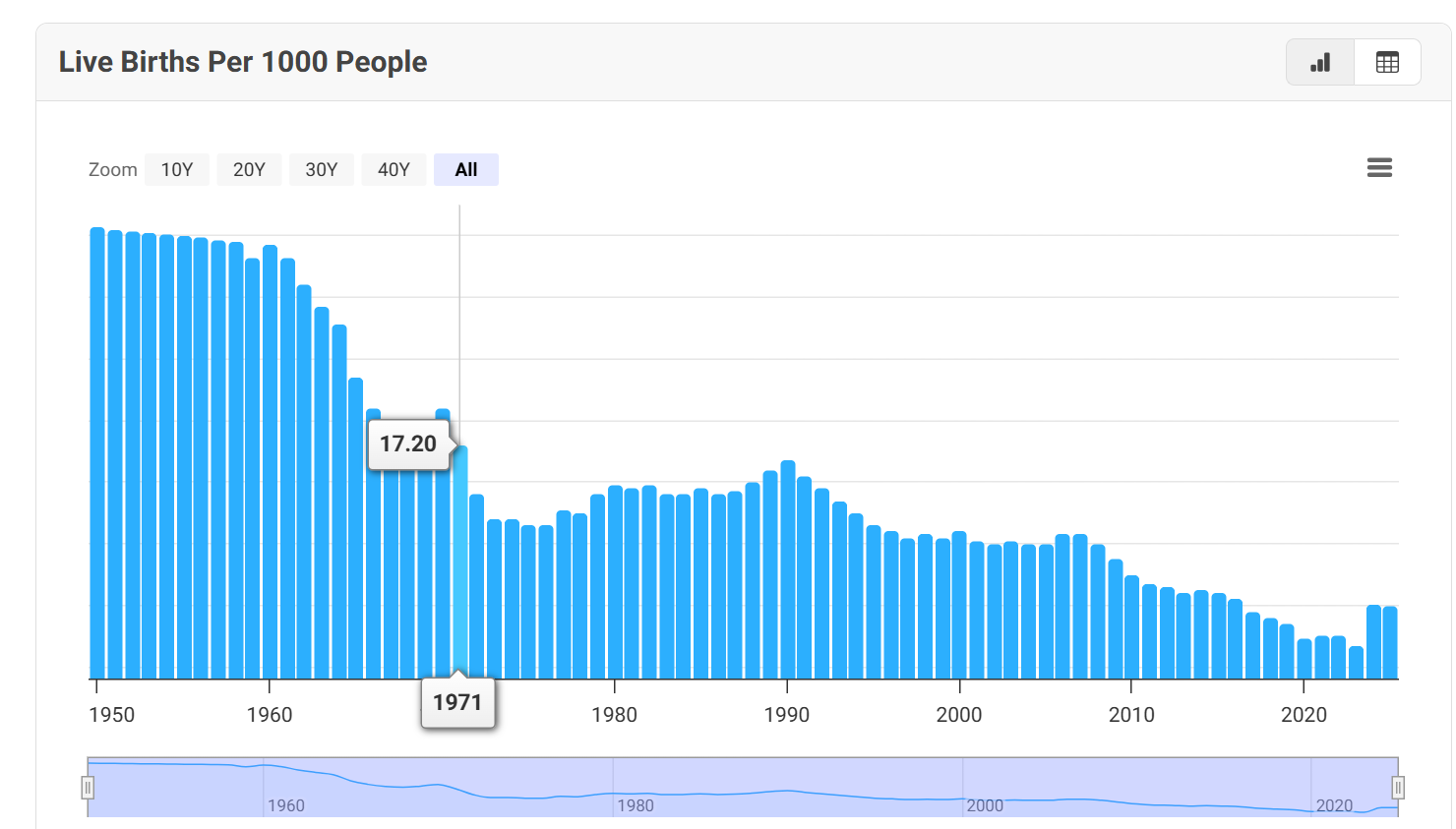
This isn’t just a social trend… it’s an economic engine light. The machine is breaking. As the family unit is financially suffocated, weakness in their purchasing power becomes measurable. Capital isn’t flowing toward dreams anymore; it’s fleeing toward safety and essentials.
This rotation is starkly visible in the markets themselves. While the average family struggles, the smart money is already moving, seeking refuge in hard assets and the miners that produce them.
GDX (Gold Miners ETF) vs. QQQ (Nasdaq 100 ETF) Ratio
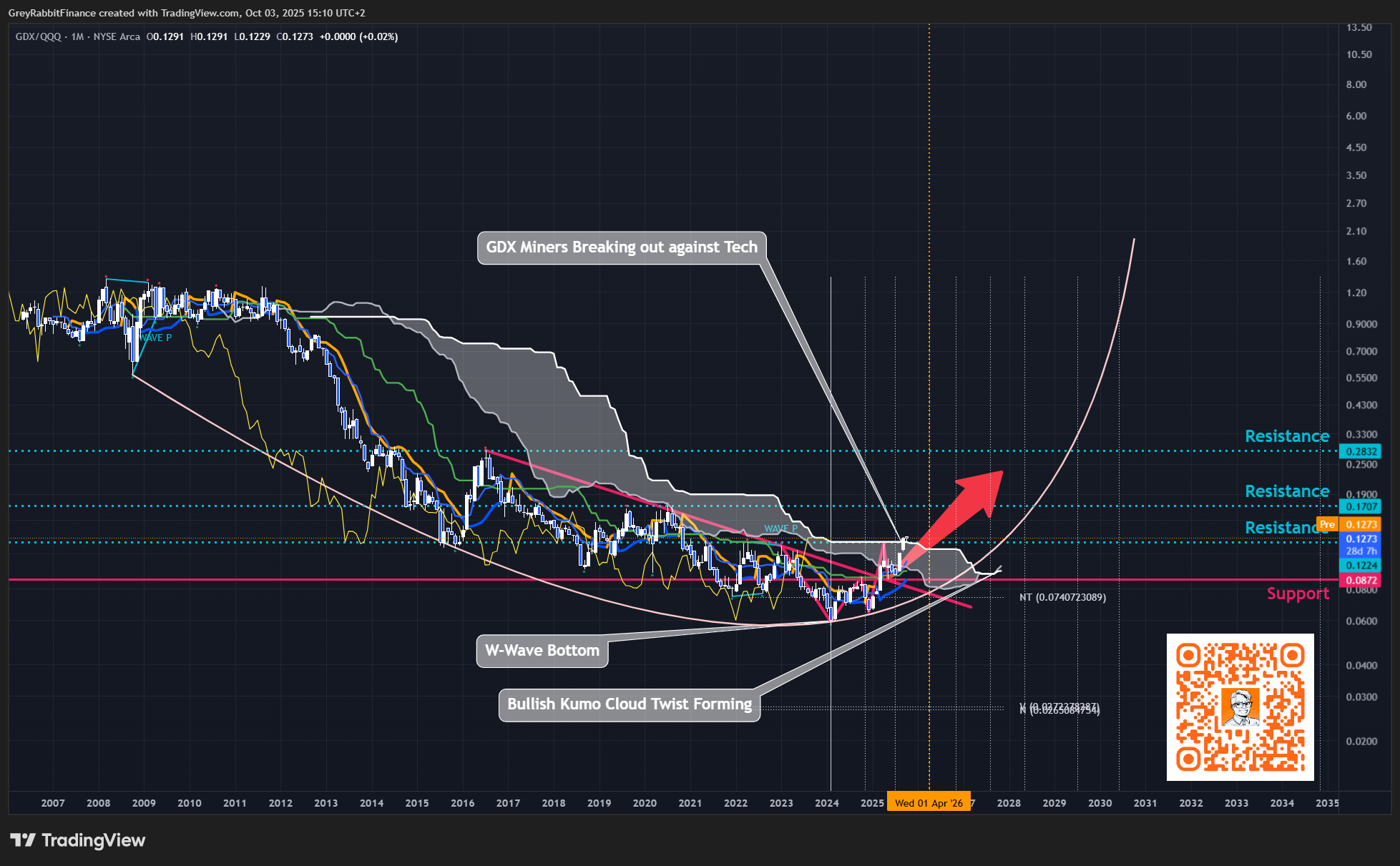
This chart shows capital beginning to favor tangible assets and the tools to get them (GDX) over the speculative, debt-fueled tech growth (QQQ).
Silver vs. S&P 500 Ratio
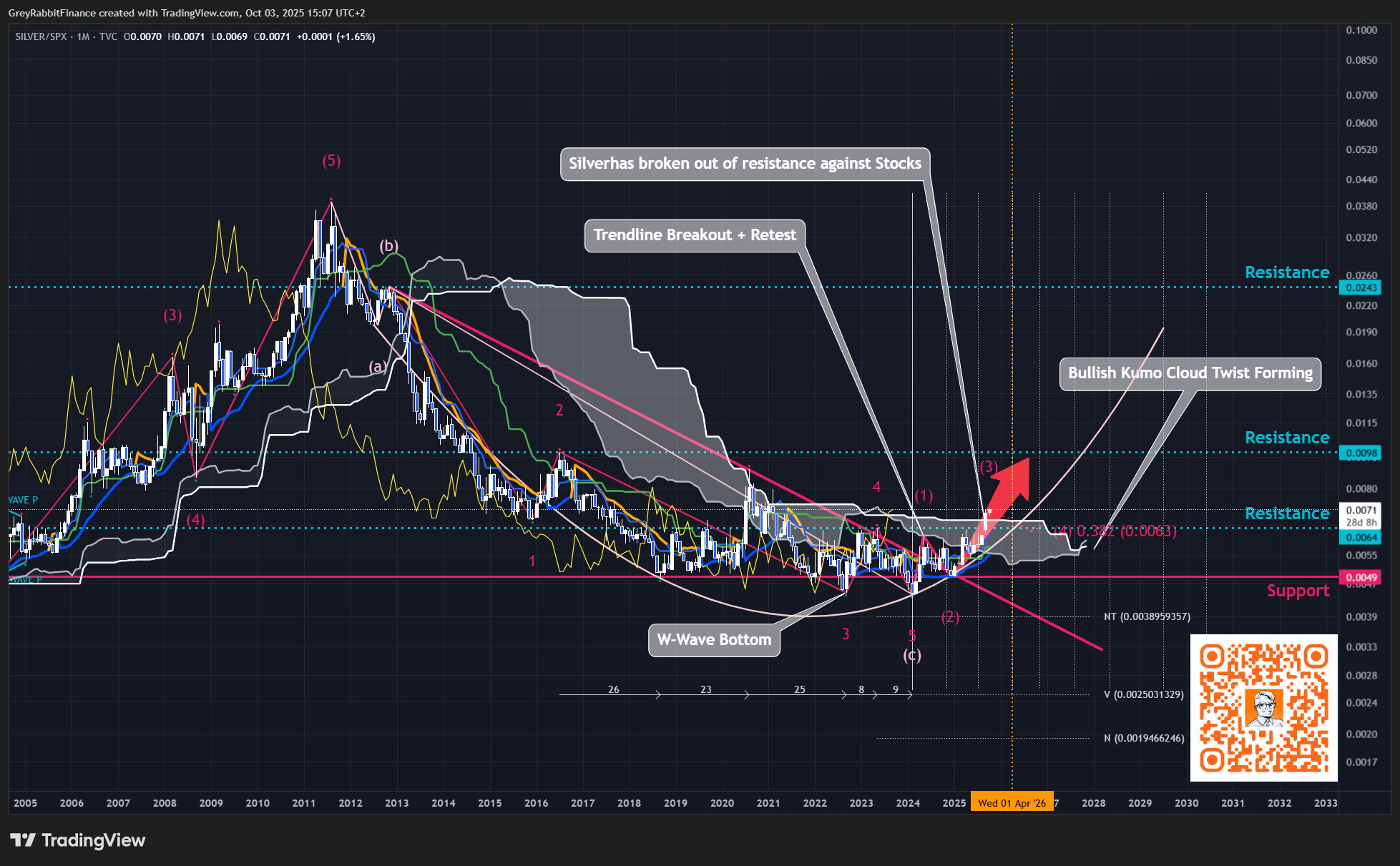
This chart measures the timeless value of monetary metal (Silver) against the paper wealth of the broad market (S&P 500). Its trajectory questions the very foundation of our financial system.
While the devil laughs at the over-leveraged consumer, overweight in tech stocks and bonds…. those paying attention can see the cracks, and the opportunities forming within them.
Capital is flowing toward hard assets. It’s a silent vote of no confidence in a system that has prioritized financial assets over the fundamental unit that makes a society strong: the family.
Final Thoughts from the Rabbit Hole 🐇
The music has changed. The paperboy, the Chevy, the house on Main Street…they are no longer symbols of attainable dreams, but echoes of a past that seems almost mythical.
Yet, even in this decay, there is a lesson to unearth. The erosion of wages, homes, and the family unit is not just an economic problem… but a spiritual one. The true cost of fiat, debt, usury and hollow consumption is measured not in dollars, but in freedom, integrity, and human connection.
We don’t need higher minimum wages alone. We need a return to sound money, a reclamation of what holds real value: work that builds character, assets that preserve wealth, and relationships that nurture the growth of our soul.
What remains of Miss American Pie is now a ghost, yet her song still calls to us… reminding us that music without soul, prosperity without virtue, freedom without a foundation, and wealth without purpose is empty and fleeting.
To navigate this era, we must look beyond these artificially inflated markets. Invest not only in metals, charts, and markets, but in families, communities, and enduring values.
The American Dream is not dead… it is waiting for those willing to see, to build, and to honor what is eternal over what is temporary.
You can’t eat inflation, and you can’t borrow fulfillment. At the end of the day, the only pie that matters is the one you can slice, share, and pass around the family table.
Stay Vigilant,
-Grey Rabbit
"The reason they call it the American Dream, is that you have to be asleep to believe it." - George Carlin
We all know who are a part of this community that it’s coming… but it’s absurd that the masses are still asleep like nothing is happening or will happen and that’s why I thank you grey rabbit finance who is helping people wake up from their sleeping bags (like from the matrix)